


Are nylon mesh filters suitable for brewing applications?
As a leading nylon mesh filter supplier, I often field questions from clients in the brewing industry about the suitability of our products for their specific applications. Brewing is a complex process that demands precision, quality, and cleanliness at every step, from mashing and boiling to fermentation and packaging. The choice of filtration medium plays a crucial role in ensuring the clarity, flavor, and safety of the final product. In this blog post, I'll delve into the properties of nylon mesh filters and explore their suitability for brewing applications.
Understanding Nylon Mesh Filters
Nylon, a synthetic polymer known for its strength, durability, and chemical resistance, is a popular material for manufacturing filtration products. Nylon mesh filters are made by weaving nylon filaments into a precise grid pattern, creating a porous structure with uniform pore sizes. This allows them to efficiently trap and remove solid particles, sediments, and impurities from liquids and gases while allowing the desired substances to pass through.
One of the key advantages of nylon mesh filters is their high resistance to abrasion, tearing, and chemical degradation. They can withstand harsh operating conditions, including high temperatures, pressures, and exposure to acids, alkalis, and solvents, making them suitable for a wide range of industrial applications. Additionally, nylon mesh filters are lightweight, flexible, and easy to handle, which simplifies installation, maintenance, and replacement procedures.
Brewing Requirements
Before determining whether nylon mesh filters are suitable for brewing applications, it's important to understand the specific requirements of the brewing process. Brewing involves several stages, each with its own set of filtration needs:
Mashing and Lautering: During mashing, crushed malt is mixed with hot water to convert starches into fermentable sugars. The resulting liquid, known as wort, contains a variety of solid particles, including malt husks, grains, and proteins. Lautering is the process of separating the wort from the solid particles by passing it through a filter bed. This stage requires a filter with a relatively large pore size to allow the wort to flow freely while retaining the solid particles.
Boiling and Hop Addition: After lautering, the wort is boiled to sterilize it and extract flavors and aromas from hops. During this stage, hop particles and other solids may accumulate in the wort, which need to be removed before fermentation. A finer filter with a smaller pore size is typically used to remove these particles and ensure a clear, clean wort.
Fermentation: Fermentation is the process by which yeast converts sugars in the wort into alcohol and carbon dioxide. During fermentation, the yeast produces a variety of byproducts, including proteins, lipids, and polyphenols, which can contribute to haze and off-flavors in the final product. A secondary filtration step may be required after fermentation to remove these byproducts and clarify the beer.
Packaging: Before packaging, the beer is typically filtered one last time to remove any remaining particles and ensure a consistent, high-quality product. This final filtration step is crucial for maintaining the clarity, flavor, and shelf life of the beer.
Suitability of Nylon Mesh Filters for Brewing
Based on the requirements of the brewing process, nylon mesh filters offer several advantages that make them a suitable choice for many brewing applications:
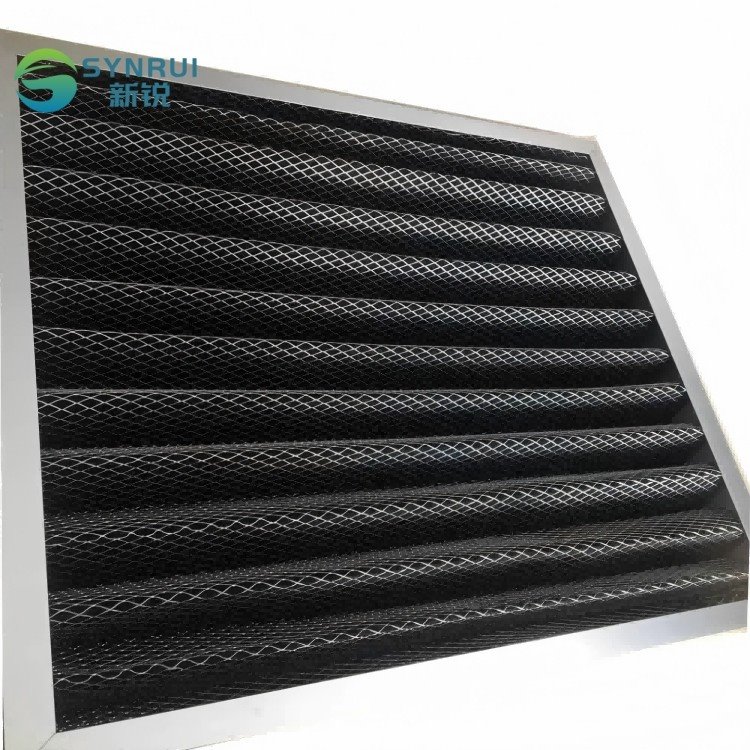

Particle Removal: Nylon mesh filters are highly effective at removing solid particles, sediments, and impurities from liquids and gases. Their uniform pore sizes allow for precise control over the filtration process, ensuring that only particles larger than the specified pore size are trapped. This makes them ideal for removing malt husks, grains, hop particles, and other solids from the wort during mashing, lautering, and boiling.
Chemical Resistance: Brewing involves the use of a variety of chemicals, including acids, alkalis, and sanitizers, to clean and maintain the brewing equipment. Nylon mesh filters are highly resistant to chemical degradation, making them suitable for use in harsh chemical environments. They can withstand exposure to a wide range of chemicals without losing their integrity or performance, ensuring long-lasting and reliable filtration.
Heat Resistance: The brewing process involves heating the wort to high temperatures during boiling and sterilization. Nylon mesh filters can withstand temperatures up to 150°C (302°F), making them suitable for use in hot wort applications. They can maintain their structure and performance even under high heat conditions, ensuring consistent filtration efficiency.
Reusability: Nylon mesh filters are reusable, which can help reduce costs and waste in the brewing process. They can be easily cleaned and sanitized using a variety of methods, including backwashing, spraying, and soaking, and reused multiple times without significant loss of performance. This makes them a cost-effective and environmentally friendly option for brewing applications.
However, it's important to note that nylon mesh filters may not be suitable for all brewing applications. For example, in some cases, more specialized filters, such as ceramic or membrane filters, may be required to achieve the desired level of filtration. Additionally, the choice of filter material and pore size will depend on several factors, including the type of beer being brewed, the brewing process, and the specific requirements of the application.
Applications of Nylon Mesh Filters in Brewing
Nylon mesh filters can be used in a variety of brewing applications, including:
Mash Tun and Lauter Tun Filtration: Nylon mesh filters with a relatively large pore size (e.g., 100-300 microns) can be used to line the mash tun and lauter tun to prevent solid particles from entering the wort. This helps to improve the clarity and quality of the wort and reduces the risk of clogging in downstream equipment.
Hop Strainers: Nylon mesh filters with a smaller pore size (e.g., 20-50 microns) can be used as hop strainers to remove hop particles and other solids from the wort during boiling. This helps to improve the flavor and aroma of the beer and reduces the risk of haze and off-flavors in the final product.
Fermentation Vessel Filtration: Nylon mesh filters can be used to filter the beer before and after fermentation to remove yeast, proteins, and other byproducts. This helps to clarify the beer and improve its stability and shelf life.
Packaging Filtration: Nylon mesh filters can be used as final filters to remove any remaining particles and ensure a clear, clean beer before packaging. This helps to maintain the quality and consistency of the beer and improves its visual appeal.
Conclusion
In conclusion, nylon mesh filters offer several advantages that make them a suitable choice for many brewing applications. Their high particle removal efficiency, chemical resistance, heat resistance, and reusability make them a cost-effective and reliable option for filtering wort, beer, and other liquids in the brewing process. However, it's important to choose the right filter material and pore size based on the specific requirements of the application to ensure optimal performance and quality.
If you're interested in learning more about our Nylon Mesh Air Filter or Nylon Pleated Pre Air Filter products for brewing applications, please don't hesitate to contact us. Our team of experts is available to answer your questions and provide you with the information you need to make an informed decision. We look forward to working with you to meet your filtration needs and help you produce high-quality beer.
References
- American Society of Brewing Chemists. (2017). Methods of Analysis. St. Paul, MN: ASBC.
- Bamforth, C. W. (2009). Beer:Tap into the Art and Science of Brewing. Oxford, UK: Oxford University Press.
- Briggs, D. E., Boulton, C. A., Brookes, P. A., & Stevens, R. (2004). Brewing:Science and Practice. New York, NY: Kluwer Academic/Plenum Publishers.
- Kunze, W. (2019). Technology Brewing and Malting. Berlin, Germany: VLB Berlin.
- Narziss, L., & Back, W. (2009). Technology Brewing and Malting. Weinheim, Germany: Wiley-VCH.


