


As a seasoned supplier of clean benches, I understand the critical importance of measuring pressure differentials in these essential pieces of equipment. Clean benches are designed to provide a contaminant-free environment for various sensitive processes, such as electronics manufacturing, pharmaceutical research, and microbiological testing. Maintaining the proper pressure differential is crucial for ensuring the effectiveness of the clean bench and protecting the integrity of the work being carried out inside.
Why Measure Pressure Differential in a Clean Bench?
The pressure differential in a clean bench refers to the difference in air pressure between the inside and outside of the enclosure. This difference is maintained to prevent the ingress of contaminants from the surrounding environment. A positive pressure differential means that the air pressure inside the clean bench is higher than the outside pressure, forcing air to flow out of the enclosure and preventing contaminants from entering.
Measuring the pressure differential helps in several ways:

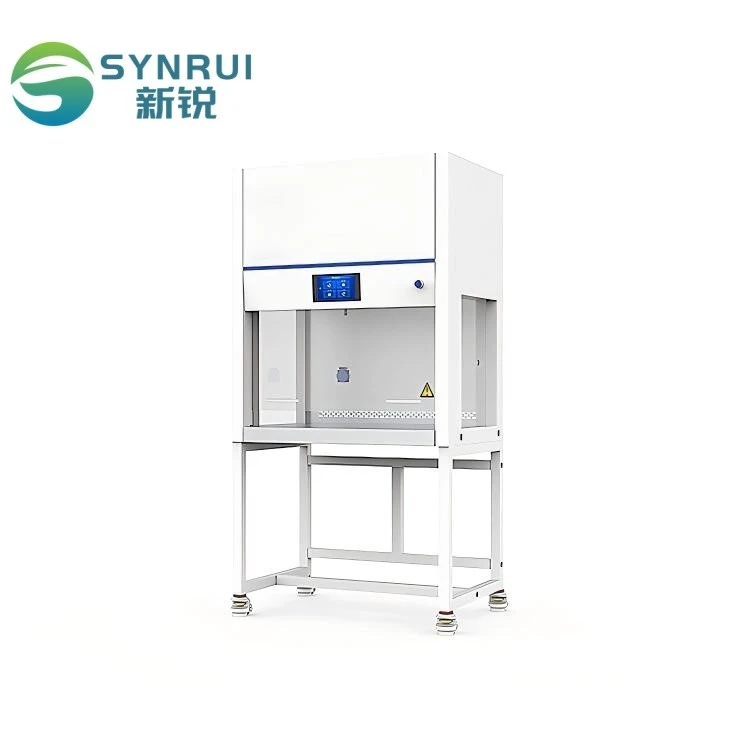
- Performance Monitoring: Regular measurements ensure that the clean bench is operating within the specified pressure range, indicating that it is effectively filtering and controlling the airflow.
- Compliance: Many industries have strict regulations regarding the cleanliness of the work environment. Measuring the pressure differential helps in demonstrating compliance with these standards.
- Early Detection of Issues: A sudden change in the pressure differential can indicate a problem with the clean bench, such as a clogged filter or a malfunctioning blower. Early detection allows for timely maintenance and prevents potential contamination.
Tools for Measuring Pressure Differential
There are several tools available for measuring the pressure differential in a clean bench. The choice of tool depends on the specific requirements of the clean bench and the level of accuracy needed.
-
Manometers: Manometers are the most common tools for measuring pressure differentials. They work by comparing the pressure in the clean bench to the atmospheric pressure. There are two main types of manometers: liquid manometers and digital manometers.
- Liquid Manometers: These use a liquid, such as water or mercury, to measure the pressure difference. They are relatively simple and inexpensive but may require more maintenance and are less accurate than digital manometers.
- Digital Manometers: These use electronic sensors to measure the pressure difference and display the results on a digital screen. They are more accurate, easier to read, and often have additional features such as data logging and alarms.
-
Pressure Sensors: Pressure sensors are another option for measuring pressure differentials. They are typically more accurate and sensitive than manometers and can be integrated into the clean bench's control system for continuous monitoring. However, they are also more expensive and may require more complex installation and calibration.
Steps to Measure Pressure Differential
Measuring the pressure differential in a clean bench is a relatively straightforward process, but it requires careful attention to detail to ensure accurate results.
- Prepare the Clean Bench: Before measuring the pressure differential, make sure the clean bench is operating at its normal operating conditions. This includes turning on the blower and allowing the airflow to stabilize.
- Locate the Pressure Ports: Most clean benches have dedicated pressure ports for measuring the pressure differential. These ports are usually located on the side or back of the enclosure. Refer to the clean bench's manual to locate the pressure ports.
- Connect the Measuring Device: Connect the measuring device, such as a manometer or pressure sensor, to the pressure ports using appropriate tubing. Make sure the connections are tight and leak-free.
- Take the Measurement: Once the measuring device is connected, take the pressure differential measurement. Make sure to record the measurement accurately, including the units of measurement (e.g., Pascals, inches of water column).
- Compare the Results: Compare the measured pressure differential to the clean bench's specifications. If the measured value is outside the specified range, it may indicate a problem with the clean bench that needs to be addressed.
Interpreting the Results
Interpreting the results of the pressure differential measurement is crucial for determining the performance of the clean bench. Here are some general guidelines for interpreting the results:
- Positive Pressure Differential: A positive pressure differential indicates that the clean bench is effectively maintaining a higher pressure inside the enclosure than the outside pressure. This is the desired condition for preventing the ingress of contaminants.
- Negative Pressure Differential: A negative pressure differential means that the air pressure inside the clean bench is lower than the outside pressure. This can allow contaminants to enter the enclosure and may indicate a problem with the clean bench, such as a clogged filter or a malfunctioning blower.
- Stable Pressure Differential: A stable pressure differential over time indicates that the clean bench is operating consistently and effectively. Fluctuations in the pressure differential may indicate a problem with the clean bench or the surrounding environment.
Troubleshooting Common Issues
If the measured pressure differential is outside the specified range, there may be several possible causes. Here are some common issues and their possible solutions:
- Clogged Filter: A clogged filter can restrict the airflow and cause a decrease in the pressure differential. Replace the filter if it is dirty or clogged.
- Malfunctioning Blower: A malfunctioning blower can cause a decrease in the airflow and a corresponding decrease in the pressure differential. Check the blower for any signs of damage or malfunction and replace it if necessary.
- Leak in the Enclosure: A leak in the enclosure can allow air to escape and cause a decrease in the pressure differential. Inspect the enclosure for any signs of leaks and seal them if necessary.
- Incorrect Installation: Incorrect installation of the clean bench can affect the airflow and the pressure differential. Make sure the clean bench is installed correctly and that all the connections are tight and leak-free.
Conclusion
Measuring the pressure differential in a clean bench is an essential part of maintaining its performance and ensuring the integrity of the work being carried out inside. By following the steps outlined in this blog post and using the appropriate measuring tools, you can accurately measure the pressure differential and identify any potential issues with the clean bench. If you have any questions or need further assistance with measuring the pressure differential in your clean bench, please don't hesitate to contact us for procurement and further discussions. We are a leading supplier of Cleanroom Workbench and other cleanroom equipment, and we are committed to providing our customers with the highest quality products and services.
References
- Clean Bench Manufacturer's Manual
- Industry Standards for Cleanroom Design and Operation
- Technical Literature on Airflow and Pressure Measurement


