


In the realm of high - performance materials, Polytetrafluoroethylene (PTFE) has long been celebrated for its unique properties such as high chemical resistance, low friction coefficient, and excellent thermal stability. As a PTFE supplier, I am constantly excited to witness and be part of the new applications that are emerging for this remarkable material.
1. PTFE in the Medical Field
One of the most promising areas for new PTFE applications is in the medical field. PTFE's biocompatibility makes it an ideal candidate for various medical devices. For instance, PTFE is being used in the development of vascular grafts. These grafts are designed to replace or bypass damaged blood vessels. The smooth surface of PTFE reduces the risk of blood clot formation, which is a critical concern in vascular surgery. Moreover, its resistance to chemical and biological degradation ensures the long - term stability of the grafts in the body.

Another medical application is in the manufacturing of catheters. Catheters are thin tubes inserted into the body for various purposes, such as delivering medications or draining fluids. PTFE - coated catheters offer several advantages. The low friction surface allows for easier insertion and movement within the body, reducing patient discomfort. At the same time, the chemical inertness of PTFE protects the catheter from being affected by the body's internal environment, preventing the growth of bacteria and other microorganisms.
In addition, PTFE is also being explored for use in tissue engineering. Scientists are looking into creating PTFE - based scaffolds that can support the growth and development of new tissues. These scaffolds can be designed to mimic the natural extracellular matrix, providing a suitable environment for cells to attach, proliferate, and differentiate. This could potentially lead to new treatments for a variety of diseases and injuries, such as bone fractures and cartilage damage.
2. PTFE in the Electronics Industry
The electronics industry is also seeing new and innovative uses of PTFE. With the continuous miniaturization of electronic devices, the need for materials with excellent electrical insulation properties has become more crucial than ever. PTFE has extremely low dielectric constant and dissipation factor, making it an ideal choice for high - frequency and high - speed circuit boards.
In 5G technology, which requires high - performance transmission lines, PTFE - based materials are being used to reduce signal loss and improve signal integrity. The low friction and high chemical resistance of PTFE also make it suitable for use in connectors and switches. PTFE - coated connectors can provide a more stable electrical connection, even in harsh environments with high humidity or exposure to chemicals.
Furthermore, PTFE is being investigated for use in flexible electronics. As the demand for flexible displays, wearable devices, and other flexible electronic products grows, PTFE's flexibility and durability make it a potential candidate for use in the substrates of these devices. It can withstand repeated bending and folding without losing its electrical properties, which is essential for the long - term performance of flexible electronics.
3. PTFE in Environmental Protection
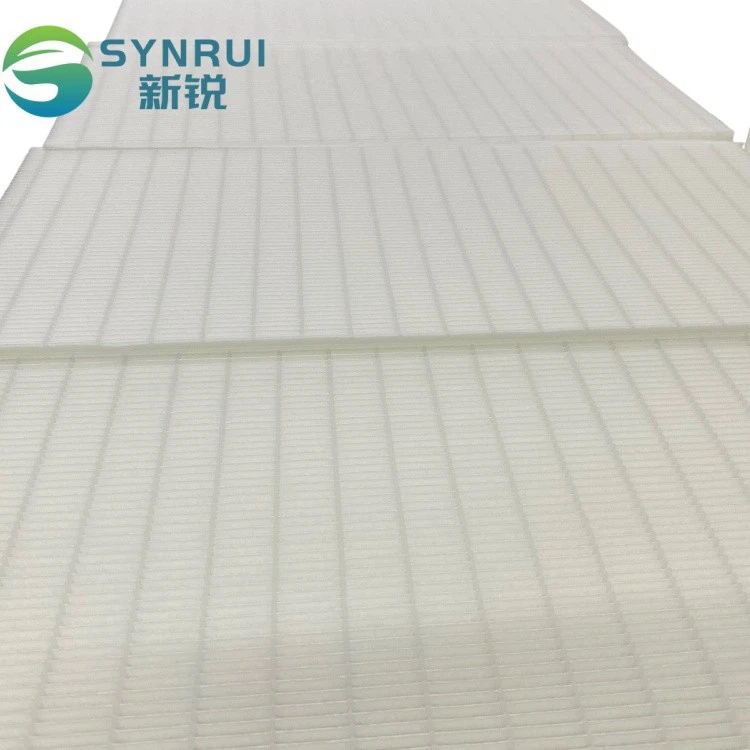
In the field of environmental protection, PTFE is playing an increasingly important role. One of the significant applications is in air filtration. PTEF Filter Media is highly effective in removing fine particulate matter from the air. The porous structure of PTFE membranes allows air to pass through while trapping dust, pollen, and other pollutants. This makes it suitable for use in industrial air filtration systems, as well as in air purifiers for homes and offices.
PTFE is also being used in water treatment. PTFE - based membranes can be used for reverse osmosis and ultrafiltration processes. These membranes have high chemical resistance, which allows them to withstand the harsh chemicals used in water treatment. They can effectively remove contaminants such as heavy metals, bacteria, and viruses from water, providing a safe and clean water supply.
In addition, PTFE is being explored for use in oil - water separation. The hydrophobic and oleophilic properties of PTFE make it possible to selectively separate oil from water. This can be very useful in dealing with oil spills and industrial wastewater containing oil, helping to protect the environment from oil pollution.
4. PTFE in the Aerospace and Automotive Industries
In the aerospace industry, weight reduction is a constant goal to improve fuel efficiency and performance. PTFE's low density and high strength - to - weight ratio make it an attractive material for various aerospace components. For example, PTFE is used in the manufacturing of seals and gaskets. These components need to withstand extreme temperatures, pressures, and chemical environments. PTFE's excellent resistance to these factors ensures the reliable operation of aerospace systems.
In the automotive industry, PTFE is also finding new applications. It is being used in engine components to reduce friction and wear. PTFE - coated pistons and bearings can improve the efficiency of the engine by reducing energy losses due to friction. Additionally, PTFE is used in automotive wiring insulation. Its high electrical insulation properties and resistance to heat and chemicals protect the wiring from damage, ensuring the proper functioning of the vehicle's electrical systems.
5. Challenges and Future Outlook
Despite the many new and exciting applications of PTFE, there are still some challenges to be overcome. One of the main challenges is the high cost of PTFE production. The manufacturing process of PTFE is complex and energy - intensive, which makes the material relatively expensive compared to other polymers. This limits its widespread use in some applications, especially in cost - sensitive industries.
Another challenge is the difficulty of recycling PTFE. PTFE is a very stable polymer, and traditional recycling methods are not very effective in breaking it down. Developing more efficient recycling technologies is crucial to reduce the environmental impact of PTFE waste.
Looking to the future, I am optimistic about the continued development of new PTFE applications. With ongoing research and development, it is likely that the cost of PTFE production will be reduced, making it more accessible for a wider range of applications. At the same time, new recycling technologies are expected to emerge, addressing the environmental concerns associated with PTFE waste.
As a PTFE supplier, I am committed to working with our customers and partners to explore these new applications and overcome the challenges. We have a team of experts who are dedicated to researching and developing new PTFE products and solutions. Whether you are in the medical, electronics, environmental protection, aerospace, or automotive industry, we can provide you with high - quality PTFE materials that meet your specific needs.
If you are interested in learning more about our PTFE products or exploring potential applications for your business, please feel free to contact us. We are eager to engage in discussions and negotiations regarding procurement. Our team is ready to assist you in finding the best PTFE solutions for your projects.
References
- "Polytetrafluoroethylene (PTFE): Properties, Applications, and Future Prospects" - Journal of Materials Science
- "Medical Applications of PTFE: Current Trends and Future Directions" - Medical Device Technology
- "PTFE in Electronics: Advancements and Challenges" - IEEE Transactions on Electronics Packaging Manufacturing
- "Environmental Applications of PTFE Membranes" - Journal of Environmental Science and Technology
- "PTFE in Aerospace and Automotive Industries" - Aerospace and Automotive Engineering Review


