


PTFE, or polytetrafluoroethylene, is a synthetic fluoropolymer of tetrafluoroethylene that has numerous applications across various industries due to its unique surface properties. As a PTFE supplier, I have witnessed firsthand how these properties make PTFE an invaluable material in many fields. In this blog post, I will delve into the surface properties of PTFE, exploring what makes it so special and how these properties translate into real - world applications.
Low Surface Energy
One of the most remarkable surface properties of PTFE is its extremely low surface energy. Surface energy is a measure of the excess energy at the surface of a material compared to its bulk. A low surface energy means that PTFE has a reduced tendency to interact with other substances at its surface. This property gives PTFE its well - known non - stick characteristic.
For example, in the kitchenware industry, PTFE - coated pans are extremely popular. The low surface energy of PTFE prevents food from sticking to the pan's surface, making cooking and cleaning a breeze. When food is cooked in a PTFE - coated pan, it can be easily removed without leaving behind significant residues. This not only enhances the cooking experience but also reduces the amount of detergent and water needed for cleaning, which is beneficial from an environmental perspective.
In industrial applications, the non - stick property of PTFE due to its low surface energy is also highly advantageous. In the processing of sticky materials such as adhesives, plastics, and rubber, PTFE - lined equipment can prevent the build - up of these materials on the surfaces. This reduces downtime for cleaning and maintenance, increases the efficiency of the production process, and extends the lifespan of the equipment.
Chemical Inertness
PTFE is highly chemically inert, which means it is resistant to a wide range of chemicals. Its surface does not react readily with most acids, bases, solvents, and oxidizing agents. This chemical resistance is due to the strong carbon - fluorine bonds in PTFE. The fluorine atoms form a protective shield around the carbon backbone, preventing chemical attacks.
In the chemical processing industry, PTFE is used to line pipes, valves, and storage tanks. For instance, in the production of strong acids like sulfuric acid or hydrochloric acid, PTFE - lined pipes can safely transport these corrosive substances without being corroded themselves. This ensures the integrity of the piping system and reduces the risk of leaks, which can be dangerous and costly.
In the pharmaceutical industry, PTFE is used in equipment that comes into contact with various drugs and chemical compounds. Its chemical inertness ensures that it does not contaminate the pharmaceutical products, maintaining their purity and quality.
High Hydrophobicity
PTFE is highly hydrophobic, meaning it repels water. Water droplets on a PTFE surface form nearly spherical shapes with high contact angles. The high hydrophobicity is a result of the low surface energy and the non - polar nature of the PTFE surface.
This property is useful in many applications. In outdoor clothing, PTFE - coated fabrics are used to make waterproof and breathable garments. The hydrophobic surface of PTFE prevents water from penetrating the fabric, keeping the wearer dry. At the same time, the fabric can still allow water vapor (sweat) to pass through, providing breathability.
In the electronics industry, PTFE - coated circuit boards can resist moisture. Moisture can cause short - circuits and corrosion in electronic components. The hydrophobic PTFE coating protects the circuit boards from water damage, increasing their reliability and lifespan.
High Thermal Stability
PTFE has excellent thermal stability. It can withstand a wide range of temperatures, from extremely low cryogenic temperatures to relatively high temperatures. PTFE has a melting point of around 327°C (621°F) and can maintain its properties over a broad temperature range.
In high - temperature applications, such as in aerospace and automotive industries, PTFE is used in gaskets, seals, and insulation materials. For example, in jet engines, PTFE gaskets can maintain their sealing performance at high temperatures, preventing the leakage of hot gases. In automotive engines, PTFE - coated parts can withstand the high - temperature environment and reduce friction, improving the engine's efficiency.

Low Friction Coefficient
PTFE has a very low friction coefficient, which means it offers little resistance to the movement of objects in contact with its surface. This property is due to the smooth and non - adhesive nature of the PTFE surface.
In mechanical engineering, PTFE is used as a bearing material. PTFE bearings can reduce friction between moving parts, which in turn reduces wear and tear, energy consumption, and noise. For example, in conveyor systems, PTFE - lined rollers can allow smooth movement of the conveyor belts, improving the overall efficiency of the system.
Applications in Filtration
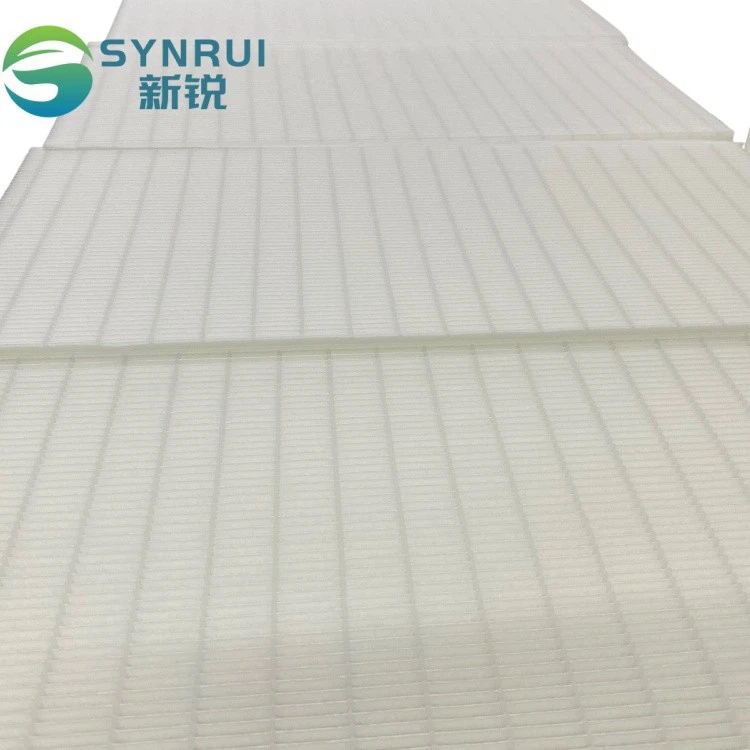
The unique surface properties of PTFE also make it an excellent material for filtration applications. PTEF Filter Media is widely used in air and liquid filtration. The non - stick and hydrophobic properties of PTFE prevent the clogging of the filter media by sticky or wet particles.
In air filtration, PTFE membrane filters can capture fine particles with high efficiency. The low surface energy of PTFE allows the captured particles to be easily removed during the cleaning process, such as by back - flushing. This extends the service life of the filter and reduces the operating cost of the filtration system.
In liquid filtration, PTFE filters can be used to separate solid particles from liquids. The chemical inertness of PTFE ensures that it does not react with the filtered liquids, making it suitable for filtering corrosive or sensitive liquids.
Conclusion
The surface properties of PTFE, including low surface energy, chemical inertness, high hydrophobicity, high thermal stability, and low friction coefficient, make it a versatile and valuable material in a wide range of industries. Whether it is for non - stick applications in the kitchen, chemical - resistant equipment in the industry, waterproof clothing, or high - performance filtration, PTFE's unique surface characteristics provide solutions to many challenges.
As a PTFE supplier, I understand the importance of these properties and am committed to providing high - quality PTFE products to meet the diverse needs of our customers. If you are interested in learning more about our PTFE products or have specific requirements for your applications, I encourage you to contact us for a detailed discussion. We are ready to work with you to find the best PTFE solutions for your projects.
References
- Billmeyer, F. W. (1984). Textbook of Polymer Science. Wiley - Interscience.
- Brandrup, J., & Immergut, E. H. (1989). Polymer Handbook. Wiley - Interscience.
- Moore, D. R. (1972). Poly(tetrafluoroethylene). Elsevier.


